
Children’s Diet and Nutrition (1–3 Years): A Complete Guide
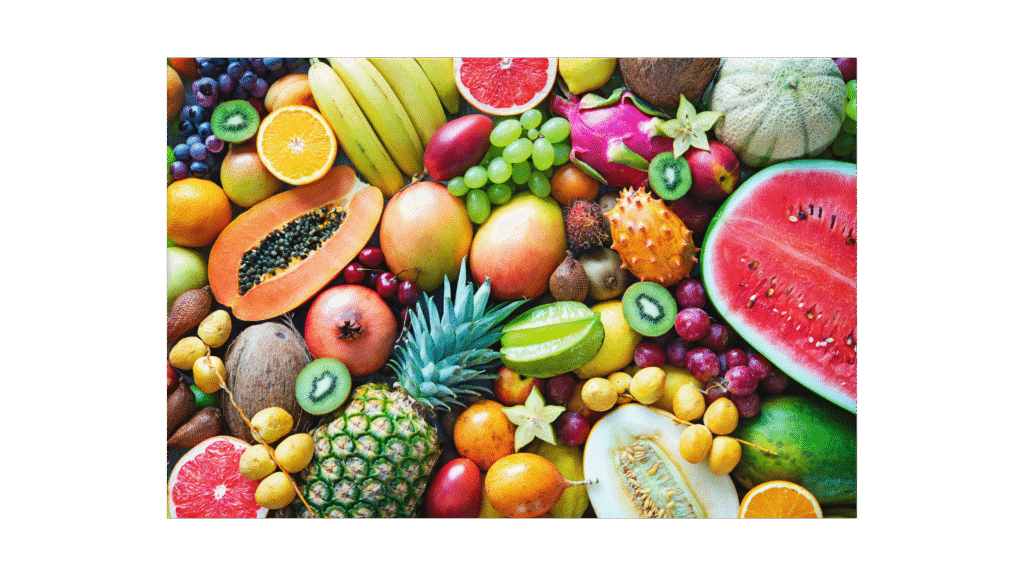
The toddler years (1–3 years) are a period of rapid growth, exploration, and development. Proper nutrition during this stage lays the foundation for lifelong health, immunity, and eating habits. Toddlers are learning to eat independently, developing tastes, and growing both physically and mentally — which makes a balanced diet crucial.
1 . Key Nutritional Needs
Toddlers require a variety of nutrients for growth, brain development, and immunity. Here’s what’s most important:
🧠 Macronutrients:
Carbohydrates: Provide energy. Include whole grains, fruits, and vegetables.
Proteins: Help in muscle and tissue growth. Offer eggs, pulses, paneer, fish, or chicken.
Fats: Essential for brain development. Include ghee, nuts, avocado, and full-fat dairy.
💪 Micronutrients:
Iron: Supports brain and blood health (sources: spinach, jaggery, lentils).
Calcium: Strengthens bones and teeth (sources: milk, curd, cheese).
Vitamin D: Enhances calcium absorption (sunlight, fortified foods).
Vitamin A: Improves vision and immunity (carrots, papaya, mango).
Zinc & Iodine: Aid metabolism and growth (iodized salt, fish, eggs).
2. Ideal Meal Structure
Example Daily Meal Plan:
| Time | Meal | Example Foods |
|---|---|---|
| 8 AM | Breakfast | Oats porridge with banana / Vegetable upma |
| 11 AM | Snack | Fruit pieces / Curd with dry fruits |
| 1 PM | Lunch | Rice + dal + vegetable curry + small portion of paneer/chicken |
| 4 PM | Snack | Boiled corn / Idli / Handful of nuts |
| 7 PM | Dinner | Khichdi / Chapati with vegetables / Dalia with milk |
💧 Hydration: Offer water frequently. Avoid sugary drinks or carbonated beverages.
3. Foods to Avoid
Excess sugar and salt
Deep-fried or spicy foods
Whole nuts (choking hazard — offer powdered or crushed nuts instead)
Packaged juices, chips, and sweets
Honey before 1 year (risk of botulism)
4. Feeding Tips for Parents
Encourage self-feeding with finger foods.
Offer small portions frequently — toddlers have small stomachs.
Avoid forcing food; instead, create a positive mealtime atmosphere.
Introduce new foods gradually and repeat exposure if initially refused.
Make meals colorful and fun — cut fruits/veggies into shapes, mix colors.
Be patient with picky eaters — habits develop over time.
5. Growth & Development Monitoring
Track your child’s:
Weight and height regularly
Energy levels and activity
Milestone achievements (walking, talking, coordination)
If growth slows or your child has poor appetite, consult a pediatrician or nutritionist.
6. Common Challenges
| Challenge | Solution |
|---|---|
| Refusing new foods | Keep offering in small quantities |
| Small appetite | Give nutrient-dense snacks |
| Food allergies | Introduce one food at a time and observe reactions |
| Constipation | Increase fiber (fruits, veggies, water) |
Final Thoughts
The toddler years are about exploration — both in play and on the plate! A balanced, colorful diet rich in whole foods helps your child grow strong, active, and happy. Remember, your patience and positive attitude toward food are just as important as what’s on the plate.