
Children’s Diet and Nutrition (12–18 Years): A Complete Guide
The teenage years (12–18) are a time of rapid growth, hormonal changes, and increased activity. Proper nutrition during this stage lays the foundation for:
Healthy bones and muscles
Strong immunity
Improved concentration and learning
Balanced mood and emotional health
Healthy weight and energy levels
Key Nutritional Needs for Teenagers
1. Proteins – The Growth Builders
Protein helps in building muscles, hormones, and tissues.
Sources: Eggs, milk, curd, cheese, lentils, beans, soy products, chicken, and fish.
2. Carbohydrates – The Energy Providers
Teens need more energy due to school, sports, and physical activity.
Choose: Whole grains, oats, brown rice, fruits, and vegetables instead of sugary snacks.
3. Healthy Fats – Brain and Hormone Support
Healthy fats are essential for brain development and hormone balance.
Sources: Nuts, seeds, avocado, olive oil, and fatty fish (like salmon).
4. Calcium and Vitamin D – Strong Bones & Teeth
These nutrients are crucial as 90% of bone mass is built before adulthood.
Sources: Milk, yogurt, cheese, leafy greens, almonds, and sunlight for Vitamin D.
5. Iron – Prevents Tiredness and Supports Growth
Iron helps carry oxygen in the blood and supports rapid growth.
Sources: Spinach, beetroot, dates, meat, eggs, and iron-fortified cereals.
6. Vitamins and Minerals – Overall Wellness
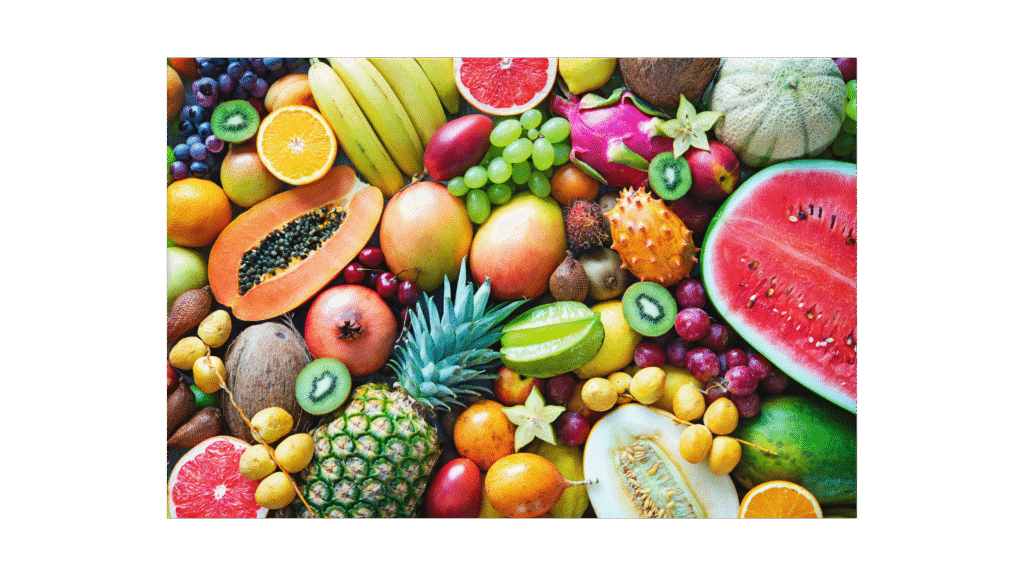
Include colorful fruits and vegetables daily for vitamins A, C, and E.
Pro Tip: Encourage “rainbow eating” — different colors = different nutrients.
Smart Eating Habits for Teens
✅ Eat breakfast daily – boosts concentration.
✅ Stay hydrated – at least 8–10 glasses of water per day.
✅ Limit junk food and sugary drinks.
✅ Choose homemade snacks like fruit smoothies, sprouts, or peanut chikki.
✅ Practice mindful eating — avoid eating in front of screens
Common Nutrition Mistakes to Avoid
❌ Skipping meals (especially breakfast)
❌ Overeating junk and fast food
❌ Relying on energy drinks
❌ Crash dieting for body image reasons
❌ Neglecting sleep and hydration
Role of Physical Activity
Along with nutrition, teens should get at least 60 minutes of physical activity daily — like cycling, swimming, dancing, or sports. It improves metabolism, strengthens bones, and helps manage stress
Mental Health and Body Image
Teenagers often face pressure about appearance. Parents should:
Encourage healthy eating, not dieting
Promote confidence and self-acceptance
Be role models for balanced eating
Sample Daily Diet Plan (for reference)
Breakfast: Milk + Oats with fruits + Boiled egg
Mid-morning snack: Handful of nuts or fruit
Lunch: Roti + Dal + Vegetables + Curd
Evening snack: Sprout chaat or banana shake
Dinner: Brown rice + Grilled paneer/chicken + Salad
Final Takeaway
Good nutrition during 12–18 years is about balance, variety, and consistency.
Encourage your child to eat right, stay active, and develop habits that last a lifetime.
Remember — a healthy teen today becomes a healthy adult tomorrow! 🧠💪