
Children’s Diet and Nutrition (3–7 Years): A Complete Guide
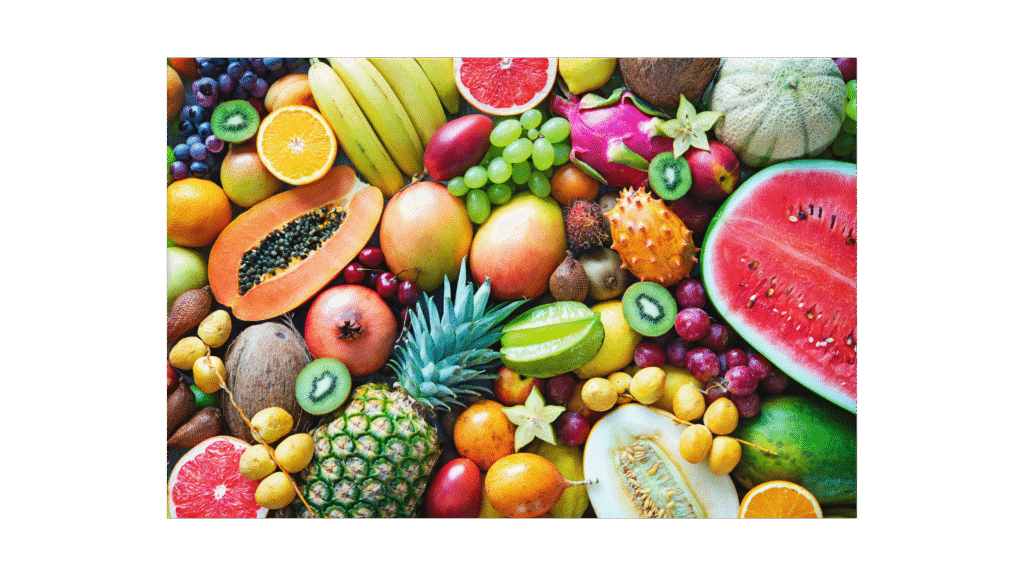
Why Nutrition Matters
Between ages 3 to 7, children experience rapid growth — both physically and mentally. Proper nutrition during this phase supports:
Brain development and memory power
Strong bones and muscles
A healthy immune system
Emotional balance and good sleep
Long-term eating habits
1. Key Nutrients Every Child Needs
| Nutrient | Importance | Food Sources |
|---|---|---|
| Protein | Builds muscles and tissues | Eggs, milk, paneer, lentils, chicken, soy |
| Calcium | Strengthens bones and teeth | Milk, curd, cheese, ragi, almonds |
| Iron | Boosts energy and prevents anemia | Spinach, jaggery, dates, beans |
| Vitamin A | Improves vision and immunity | Carrots, pumpkin, papaya, mango |
| Vitamin C | Helps in healing and absorption of iron | Citrus fruits, tomatoes, amla |
| Vitamin D | Supports bone health | Sunlight, fortified milk, eggs |
| Fiber | Aids digestion | Fruits, veggies, whole grains |
| Healthy Fats | Brain development | Ghee, nuts, seeds, avocados |
2. Ideal Daily Meal Plan
Morning (Breakfast):
Milk + whole grain cereal / poha / upma / boiled egg
Seasonal fruit
Mid-Morning Snack:
Fruit salad / dry fruits / homemade smoothie
Lunch:
Roti or rice + dal + sabzi + curd
Small portion of salad
Evening Snack:
Roasted makhana / vegetable sandwich / milkshake
Dinner:
Light meal with soup or khichdi
Warm milk before bed
3. Foods to Limit
Excess sugar, chips, and junk food
Processed juices (prefer fresh fruit)
Caffeine or soft drinks
Too much salt or spicy food
4. Smart Tips for Picky Eaters
Make food colorful and fun (shapes, smiley plates)
Involve kids in cooking – they’ll eat what they help make
Introduce new foods slowly
Never force-feed; offer variety instead
Set a fixed mealtime routine
5. Brain-Boosting Foods for Kids
Nuts and seeds (almonds, walnuts, flaxseeds)
Berries (rich in antioxidants)
Whole grains (for steady energy)
Eggs (protein + choline for brain health)
Leafy greens (for focus and memory)
6. Hydration Matters
Children often forget to drink water.
✅ Encourage 5–7 glasses daily
✅ Include hydrating foods like watermelon, cucumber, oranges
7. Healthy Eating Habits to Teach Early
Wash hands before eating
Sit and eat (no screen time)
Chew slowly
Stop eating when full
Appreciate home-cooked food
8. Sample Weekly Menu (Mix & Match)
| Day | Breakfast | Lunch | Dinner |
|---|---|---|---|
| Mon | Veg upma + milk | Roti, dal, sabzi | Khichdi + curd |
| Tue | Boiled egg + toast | Rice, rajma, salad | Soup + chapati |
| Wed | Poha + banana | Roti, paneer curry | Dal rice + ghee |
| Thu | Idli + coconut chutney | Rice, fish curry | Vegetable pulao |
| Fri | Paratha + curd | Veg biryani | Moong dal khichdi |
| Sat | Oats porridge | Rice, sambar | Chapati + bhaji |
| Sun | Pancake with fruit | Lemon rice + salad | Dosa + chutney |
9. Bonus Tips for Parents
Keep healthy snacks handy
Practice portion control – small, frequent meals
Be a role model – eat healthy yourself
Focus on variety, not perfection
10. Summary
A balanced, colorful diet sets the foundation for a lifetime of good health. Between ages 3–7, your child’s eating habits and food preferences are being shaped — so make nutrition enjoyable, consistent, and full of love.