
Children’s Diet and Nutrition (7–12 Years): A Complete Guide
The age between 7 and 12 years is a crucial stage for a child’s growth — both physically and mentally. This is when bones strengthen, muscles develop, and the brain reaches higher levels of maturity. Proper nutrition during this period lays the foundation for a healthy adolescence and adulthood.
1. Nutritional Needs of Children (7–12 years)
Children in this age group need a balanced diet that includes all essential nutrients to support rapid growth and energy demands.
Key Nutrients:
Carbohydrates – For energy to study, play, and stay active. Choose whole grains, fruits, and vegetables.
Proteins – Help in muscle and tissue development. Include eggs, milk, lentils, fish, chicken, soy, and nuts.
Fats – Support brain development. Use healthy fats like olive oil, ghee, nuts, and seeds.
Calcium & Vitamin D – Essential for strong bones and teeth. Found in milk, yogurt, cheese, and sunlight exposure.
Iron – Helps in blood formation. Found in spinach, jaggery, eggs, and beans.
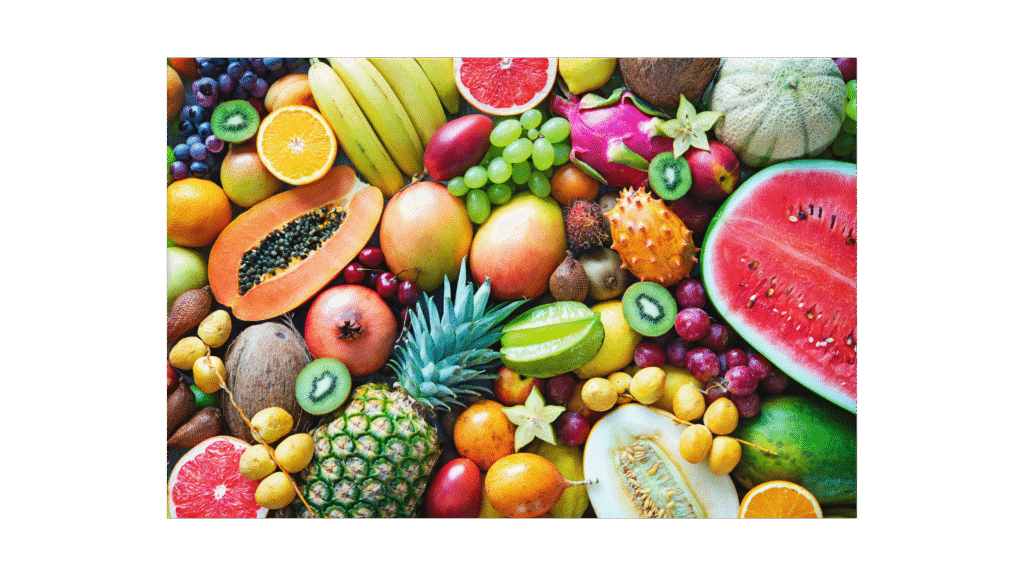
Vitamins & Minerals – Strengthen immunity and metabolism. Include colorful fruits and vegetables.
2. Balanced Diet Plan Example
Here’s a sample one-day meal plan for a 7–12-year-old:
Breakfast:
Whole wheat paratha or oats with milk and fruit
Boiled egg or paneer
Mid-Morning Snack:
Fruit (banana/apple) or nuts
Lunch:
Rice or roti
Dal or chicken curry
Vegetable sabzi
Curd
Evening Snack:
Poha, sprouts chaat, or sandwich
Dinner:
Chapati or rice
Dal/vegetable soup
Salad and milk
3. Healthy Eating Habits to Develop
Encourage family meals – children eat better when the whole family eats together.
Avoid junk food and sugary drinks – limit chips, soft drinks, and chocolates.
Teach portion control – over-eating can lead to obesity.
Ensure hydration – children should drink enough water daily.
Encourage slow eating – it helps digestion and prevents overeating.
4. Common Nutritional Challenges
| Challenge | Solution |
|---|---|
| Picky eating | Involve children in meal planning and cooking |
| Low appetite | Offer small, frequent meals |
| Obesity | Encourage outdoor play and limit screen time |
| Iron deficiency | Add iron-rich foods + vitamin C for better absorption |
| Lack of protein | Include dairy, lentils, and eggs regularly |
5. Role of Nutrition in Mental Growth
Good nutrition doesn’t just affect height and weight — it shapes memory, concentration, and emotional balance.
Omega-3 fatty acids from fish, flaxseeds, and walnuts boost brain power.
Iron and B vitamins support focus and energy.
Avoid excessive sugar and processed food — they can cause mood swings and fatigue
6. Physical Activity and Nutrition Go Hand in Hand
Children need at least 1 hour of physical activity daily.
Activities like cycling, dancing, skipping, and outdoor games not only keep them fit but also help in better nutrient absorption and muscle growth.
7. Final Tips for Parents
Be a role model – children learn from what you eat.
Make food colorful and fun – use different fruits and veggies.
Avoid force-feeding; instead, make healthy eating enjoyable.
Consult a pediatric nutritionist if your child shows signs of nutritional deficiency.
Conclusion
The years between 7 and 12 are all about building strong bodies, sharp minds, and healthy habits. With the right nutrition and lifestyle, children can thrive in all aspects of growth.